
Podcast Guest Consent: Legal Guide & Templates
Remote podcast interviews: Contracts, GDPR, releases & data privacy made easy. Best practices & templates inside!
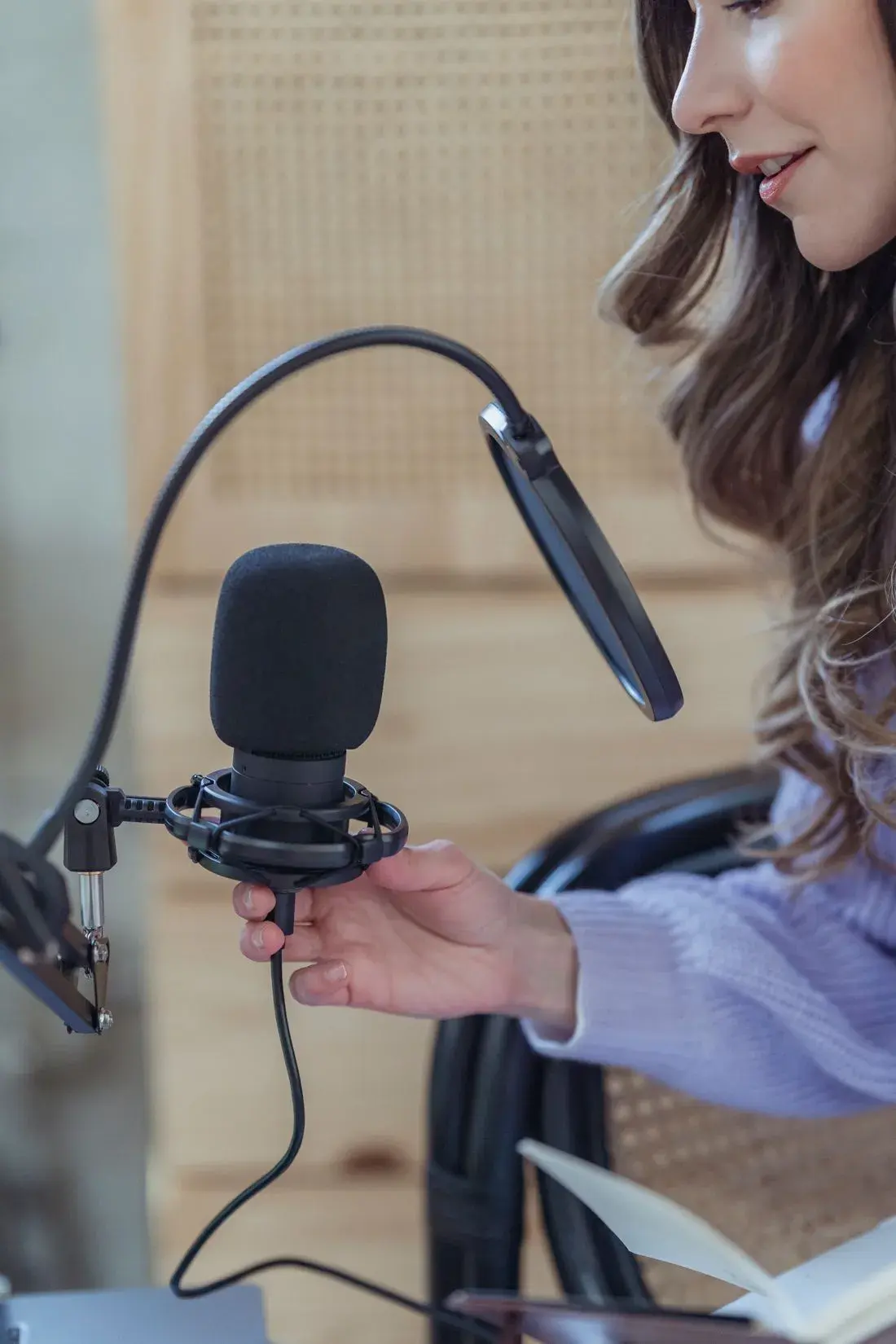
Podcasting has exploded in popularity, offering a powerful platform for sharing stories, expertise, and building communities. Whether you’re recording in a professional in-person studio or conducting interviews remotely, it’s crucial to understand and address the legal and ethical considerations involved. This article delves into the specific challenges of remote podcasting, focusing on contracts, releases, data privacy, and compliance with relevant regulations. We’ll explore best practices and provide practical tools to help you navigate these complex issues and ensure your podcast remains legally sound and ethically responsible.
In-Person vs. Remote Podcasting: A Different Legal Landscape
While many legal considerations apply to both in-person and remote podcasting, the remote format introduces unique challenges. In an in-person studio, you often have more control over the environment and can establish a clear understanding with guests before recording begins. Remote interviews, however, rely on technology and trust, making it essential to have robust agreements and protocols in place.
- Control over the Environment: In-person studios offer controlled acoustics, lighting, and equipment, minimizing technical glitches and ensuring consistent quality. Remote setups are susceptible to internet disruptions, background noise, and varying microphone quality.
- Face-to-Face Interaction: In-person interviews allow for better rapport and non-verbal communication, which can help in obtaining informed consent and addressing concerns. Remote interviews require clear and concise communication protocols to ensure understanding.
- Documentation and Agreements: While written agreements are vital in both scenarios, the ease of creating and sharing digital documents is a distinct advantage for remote podcasting. However, ensuring guests actually read and understand these documents becomes paramount.
Contracts and Guest Agreements: Protecting Your Podcast
A well-drafted guest agreement is the cornerstone of legally sound podcasting. This document outlines the terms and conditions of the interview, ensuring both you and your guest are on the same page. It should cover essential aspects such as ownership of the recording, usage rights, confidentiality, and liability. Without it, you leave your podcast vulnerable to potential legal disputes.
Key Elements of a Podcast Guest Agreement:
- Grant of Rights: This section clearly defines the rights you, as the podcaster, have to use the guest’s contribution. It should specify whether you can edit, distribute, and monetize the recording across various platforms.
- Ownership of Copyright: While you own the copyright to your podcast as a whole, the guest likely retains copyright to their individual contribution. The agreement should address how these copyrights are managed.
- Representations and Warranties: The guest should warrant that they have the right to participate in the interview and that their statements are truthful and do not infringe on the rights of others.
- Confidentiality: If the guest will be discussing sensitive information, a confidentiality clause protects both parties.
- Liability Waiver: This clause protects you from liability arising from the guest’s statements or actions during the interview.
- Indemnification: The guest agrees to indemnify you against any claims arising from their participation in the podcast.
- Term and Termination: Specify how long the agreement lasts and under what circumstances it can be terminated.
- Governing Law: State which jurisdiction’s laws will govern the agreement.
Real-World Scenario: I once worked with a client who produced a podcast focused on financial investments. They interviewed an expert who later claimed the client didn’t have the right to use the interview for commercial purposes, leading to a cease-and-desist letter. Luckily, they had a guest agreement in place that clearly granted usage rights, resolving the issue quickly and amicably. The lesson? Invest in a solid guest agreement template and customize it for each interview.
Key Insight: A comprehensive guest agreement is not just a formality; it’s a vital safeguard that protects your podcast and ensures clarity regarding rights and responsibilities.
Template Language for a Remote Podcast Guest Agreement (Example):
This is an example only and should be reviewed and adapted by legal counsel.
Agreement
This Guest Agreement (the “Agreement”) is made and entered into as of [DATE] by and between [PODCASTER NAME], located at [PODCASTER ADDRESS] (“Podcaster”) and [GUEST NAME], located at [GUEST ADDRESS] (“Guest”).
1. Podcast Participation. Guest agrees to participate in a podcast episode (the “Episode”) of Podcaster’s podcast, entitled “[PODCAST NAME]” (the “Podcast”).
2. Grant of Rights. Guest grants to Podcaster the irrevocable, worldwide, royalty-free right and license to record, reproduce, distribute, publicly perform, display, and otherwise use the Guest’s contribution to the Episode (the “Contribution”) in any and all media, whether now known or hereafter devised, including, without limitation, the Podcast, excerpts thereof, and promotional materials related thereto. This includes the right to edit, modify, and create derivative works of the Contribution.
3. Ownership. Guest acknowledges that Podcaster shall own all right, title, and interest in and to the Episode, excluding the Guest’s intellectual property contributed. Guest retains ownership of their own pre-existing intellectual property.
4. Representations and Warranties. Guest represents and warrants that: (a) Guest has the full right and power to enter into this Agreement and to grant the rights granted herein; (b) the Contribution will not infringe upon or violate the rights of any third party, including, without limitation, copyright, trademark, privacy, or publicity rights; and (c) all statements made by Guest during the Episode will be truthful and accurate to the best of Guest’s knowledge.
5. Release. Guest hereby releases Podcaster from any and all claims, liabilities, damages, and expenses arising out of or relating to the Guest’s participation in the Episode and the use of the Contribution as contemplated herein.
6. Governing Law. This Agreement shall be governed by and construed in accordance with the laws of the State of [STATE], without regard to its conflict of laws principles.
IN WITNESS WHEREOF, the parties have executed this Agreement as of the date first written above.
_________________________
[PODCASTER NAME]
_________________________
[GUEST NAME]
Actionable Insight: Use a digital signature platform (like DocuSign or HelloSign) to streamline the agreement process and ensure secure, verifiable signatures, particularly for remote guests. This provides a clear audit trail and strengthens the enforceability of the agreement.
Consent and Release Forms: Ensuring Informed Participation
Obtaining explicit consent from your guests is not just a legal requirement; it’s an ethical obligation. Consent forms, separate from the main agreement, ensure guests understand how their voice and likeness will be used. This is especially important when dealing with sensitive topics or vulnerable individuals.
Key Elements of a Consent and Release Form:
- Clear Explanation of Purpose: State the purpose of the podcast and how the interview will be used.
- Use of Voice and Likeness: Specify how the guest’s voice, image, and name will be used (e.g., podcast episode, promotional materials, social media).
- Duration of Use: Indicate how long the recording will be available and how long the guest’s information will be stored.
- Guest’s Rights: Explain the guest’s right to withdraw consent and the process for doing so.
- Contact Information: Provide contact information for questions or concerns.
Practical Application: Before recording a remote interview, send the consent form along with the guest agreement. Dedicate a few minutes at the beginning of the recording to verbally confirm that the guest has read and understood the documents and freely consents to participate. This creates a clear record of informed consent.
Key Insight: Verbal confirmation of consent at the beginning of each remote recording provides an extra layer of protection and demonstrates your commitment to ethical podcasting practices.
Data Privacy and Compliance: Navigating GDPR, CCPA, and Other Regulations
Data privacy regulations, such as the General Data Protection Regulation (GDPR) in Europe and the California Consumer Privacy Act (CCPA) in the United States, impose strict requirements on how personal data is collected, stored, and used. As a podcaster, you are responsible for complying with these regulations, especially when recording remote interviews.
GDPR and CCPA Considerations for Remote Podcasting:
- Transparency: Inform guests about what data you’re collecting (e.g., name, email address, recording of their voice), how you’ll use it, and with whom you’ll share it.
- Consent: Obtain explicit consent to collect and process their data. This consent must be freely given, specific, informed, and unambiguous.
- Data Minimization: Only collect the data you need for the specific purpose of the podcast. Avoid collecting unnecessary information.
- Data Security: Implement appropriate security measures to protect the data you collect from unauthorized access, use, or disclosure.
- Data Retention: Retain data only for as long as necessary to fulfill the purposes for which it was collected.
- Right to Access, Rectification, and Erasure: Guests have the right to access, correct, or delete their personal data. You must have a process in place to respond to these requests.
Business Challenge and Solution: A common challenge is storing guest data securely. Many podcasters use cloud-based recording platforms or file storage services. Ensure that these services comply with GDPR and CCPA and offer robust data encryption and security features. Review their privacy policies carefully and implement your own security measures, such as password protection and access controls.
Practical Application: Create a clear and concise privacy policy for your podcast that explains how you handle guest data. Make this policy easily accessible on your website or podcast platform. Include a link to the policy in your guest agreement.
Key Insight: Staying informed about data privacy regulations and implementing robust data protection measures is essential for building trust with your guests and avoiding costly legal penalties.
Tools for Managing Data Privacy:
- Cookie Consent Management Platforms (CMPs): These platforms help you obtain and manage consent for cookies and other tracking technologies used on your podcast website. Examples include OneTrust and CookieYes.
- Privacy Policy Generators: Online tools like Termly and Iubenda can help you create a customized privacy policy that complies with GDPR and CCPA.
- Data Encryption Software: Use encryption software to protect sensitive data stored on your computer or in the cloud. Examples include VeraCrypt and Boxcryptor.
Ethical Considerations in Remote Podcasting
Beyond the legal aspects, ethical considerations play a crucial role in maintaining the integrity of your podcast. Remote interviews present unique ethical challenges that require careful attention.
Key Ethical Considerations:
- Truthfulness and Accuracy: Ensure that the information presented in your podcast is accurate and reliable. Verify facts and avoid spreading misinformation.
- Respect for Privacy: Be mindful of your guests’ privacy and avoid asking intrusive or irrelevant questions. Obtain their consent before discussing sensitive topics.
- Fair Representation: Present different viewpoints fairly and avoid bias. Give guests an opportunity to respond to criticism or opposing arguments.
- Transparency and Disclosure: Disclose any conflicts of interest or sponsorships that may influence your podcast content.
- Avoiding Harm: Be mindful of the potential impact of your podcast on individuals and communities. Avoid content that could be harmful, discriminatory, or offensive.
Personal Anecdote: I once interviewed a guest who shared a deeply personal story about their struggles with mental health. After the interview, I realized that including certain details could potentially expose them to stigma and discrimination. I contacted the guest, explained my concerns, and offered to remove those details from the final episode. They appreciated my sensitivity and agreed to the changes. This experience reinforced the importance of prioritizing ethical considerations over sensationalism.
Actionable Insight: Develop a code of ethics for your podcast that outlines your commitment to responsible and ethical content creation. Share this code with your guests and audience to demonstrate your values.
The Future of Legal and Ethical Considerations in Podcasting
The legal and ethical landscape of podcasting is constantly evolving. As the industry matures and regulations become more sophisticated, podcasters must stay informed and adapt their practices accordingly. Here’s what the future may hold:
- Increased Regulation: Expect stricter regulations regarding data privacy, intellectual property, and advertising.
- AI and Deepfakes: The rise of AI-generated content and deepfakes will raise new ethical challenges related to authenticity and deception.
- Platform Responsibility: Podcast platforms will likely face increasing pressure to monitor and regulate content to prevent the spread of misinformation and harmful content.
- Emphasis on Transparency: Transparency regarding data collection, sponsorships, and conflicts of interest will become even more critical for building trust with listeners.
Key Insight: Proactive adaptation to changing legal and ethical standards will be crucial for the long-term success and sustainability of your podcast.
Conclusion: Building a Legally Sound and Ethical Podcast
Navigating the legal and ethical considerations of remote podcasting requires careful planning, attention to detail, and a commitment to responsible practices. By implementing robust guest agreements, obtaining informed consent, protecting data privacy, and adhering to ethical principles, you can create a podcast that is not only engaging and informative but also legally sound and ethically responsible. Remember, building trust with your guests and audience is paramount, and upholding ethical standards is essential for the long-term success of your podcast.
[Subtle CTA/Value Statement:] Are you looking for help streamlining your podcast production and ensuring legal compliance? Contact us to learn more.
External Resources
- General Data Protection Regulation (GDPR)
- California Consumer Privacy Act (CCPA)
- Electronic Frontier Foundation (EFF)
This article was optimized and published by Content Hurricane.
Ready to build the real thing?
When you're ready for a done-for-you studio, book a discovery call and we'll map a build that fits your space.