
Three Colors of Light in One Room, and How to Match Them
Daylight, a warm lamp and a cool ring light in one room make your camera's color jump all day. Here is how to spot mixed light and match it, usually for the price of a bulb.
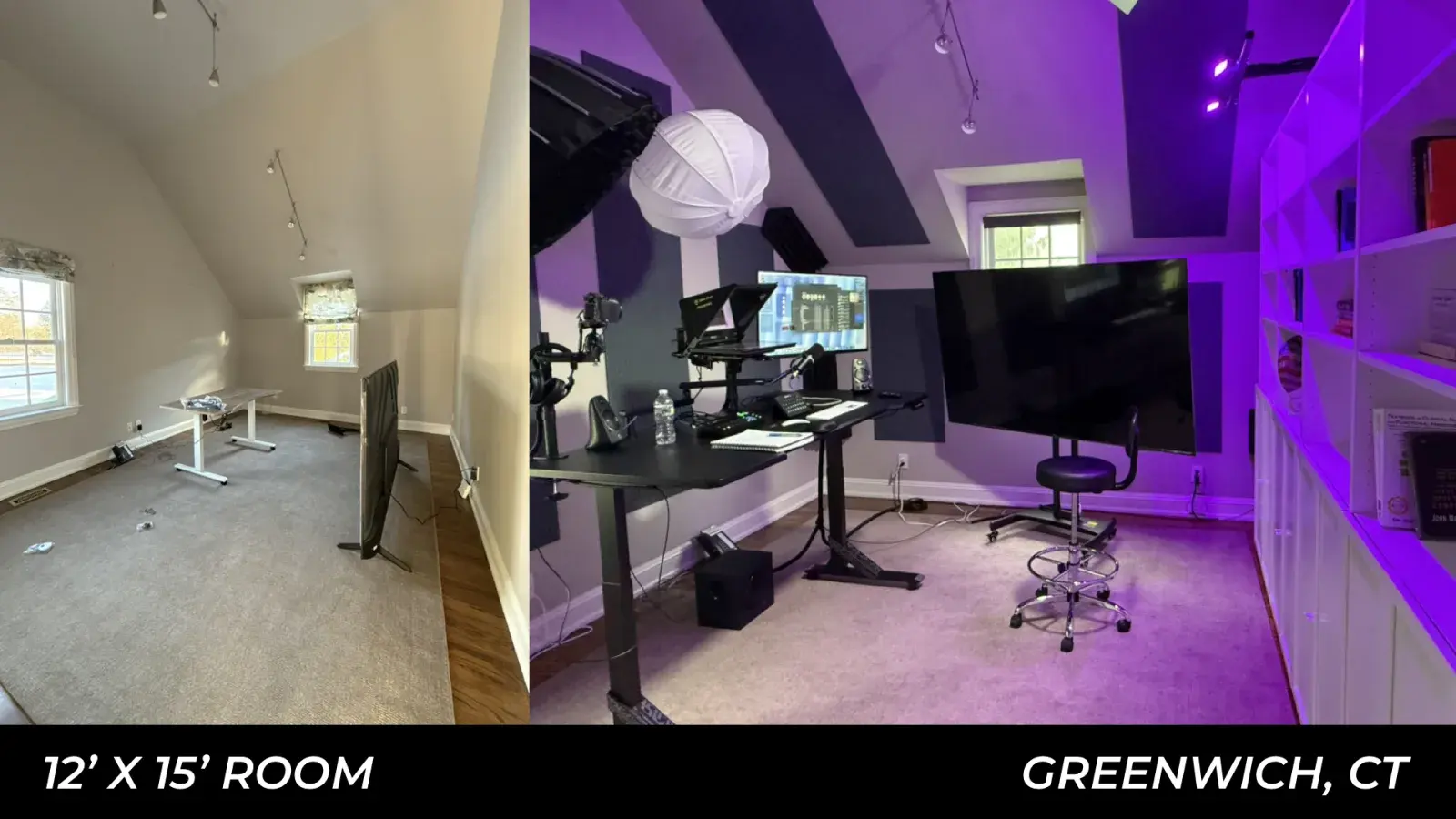
A music teacher sent me a photo of her setup before our call. In one frame I could see three colors of light: a blue-white ring light in front of her, yellow overhead bulbs, and daylight coming through the window.
Each one was a different color. Her camera was trying to make all of them look white at the same time. It could not.
What mixed light looks like on camera
You will recognize at least one of these:
- One side of your face looks orange and the other looks blue.
- Your skin changes color during the day, yellow in the morning and pale in the afternoon.
- The picture never looks crisp, even with a good camera.
A couple I worked with had followed a setup guide closely. Their webcam image still swung between yellow, pale and shiny. The camera was on automatic, and as the sunlight changed color through the day, it kept re-guessing.
Why it happens
Light has a color. Household bulbs are warm and yellow. Daylight is cool and blue. Many ring lights sit somewhere in between, or let you pick.
Your eyes adjust without you noticing. A camera picks one setting for the whole frame. When the room has two or three colors, something is always wrong.
How to fix it
Pick one color and match everything to it. If you have a window you cannot block, match daylight.
- Swap the bulbs. A small business lawyer had a yellow lamp on one side and a daylight window on the other, with a heavy shadow across his nose. A daylight-colored bulb in the lamp, plus a little diffusion, matched both sides.
- Turn off what you do not need. A podcast host recording in his kitchen had dimmed halogen spots on. When he switched them off on our call, the orange cast faded on screen.
- Set your light to match the window. If your panel or ring light has a color setting, set it to daylight while the window is in play.
- Control the window when it wins. If daylight keeps changing, a sheer curtain or blinds make it steadier, and your lights carry the rest.
A founder who works from a library office had two windows in front and warm shelf lights behind her. What she wanted most was a look that was the same every time. Matching the light colors so the camera stopped juggling two zones was the first step toward that.
A quick test
Turn off every light except one and look at your camera. Then add the next one. When the picture suddenly shifts color, you have found the light that does not match.
If you want your lighting worked out for your room, book a discovery call. For the window side of the problem, read turn your desk around.
- #lighting
- #color
- #white-balance
Ready to build the real thing?
When you're ready for a done-for-you studio, book a discovery call and we'll map a build that fits your space.