
Podcast Connection: In-Person vs. Remote Rapport?
Boost podcast engagement! Discover if in-person guest rapport beats remote. Plus, tips to connect virtually!
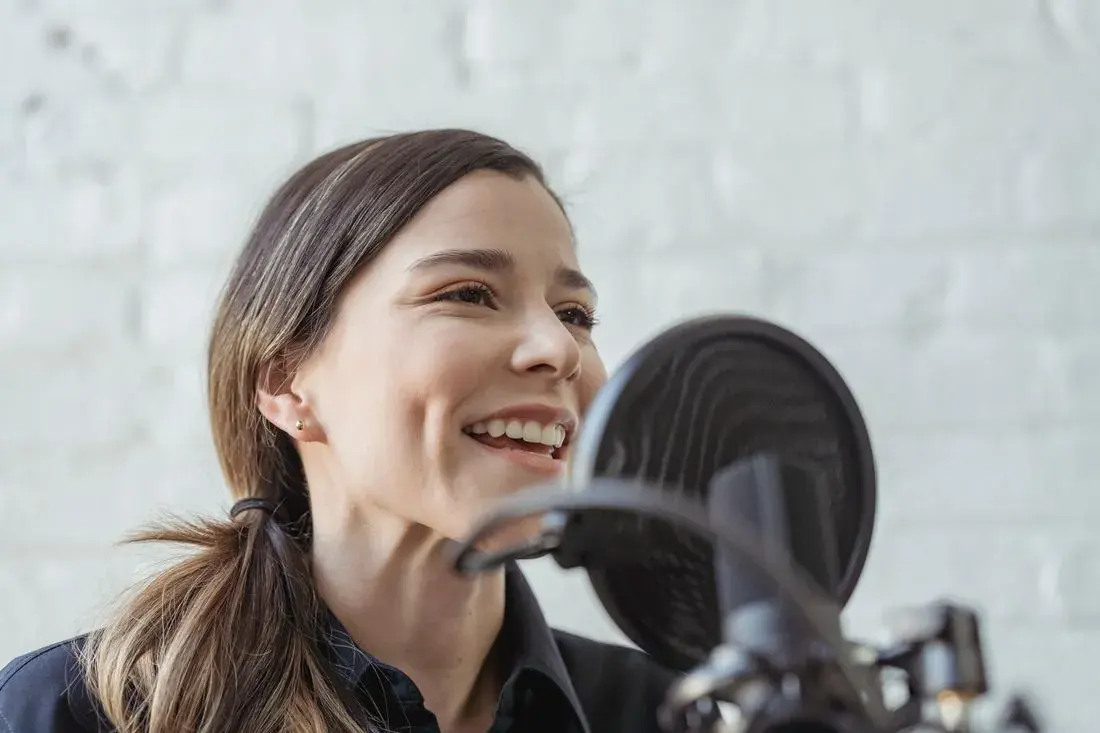
In the burgeoning world of podcasting, creating engaging content is paramount. While slick audio and compelling topics are crucial, the heart of many successful podcasts lies in the rapport between the host and guest. This article delves into the fascinating dynamic of building rapport in podcast interviews, contrasting the experience of in-person studios with remote setups. We’ll explore the psychological nuances of face-to-face interaction versus virtual communication and offer practical strategies to bridge the connection gap when distance is a factor.
The Power of Presence: In-Person Podcast Recording
There’s an undeniable energy that crackles in a room when two people are physically present. In a podcast studio, this translates into a unique opportunity to build instant rapport. The shared space, the ability to read non-verbal cues, and the ease of spontaneous conversation all contribute to a more natural and engaging interview.
The Psychological Edge of Face-to-Face Interaction
Decades of research in social psychology have highlighted the importance of non-verbal communication. Studies show that up to 70-93% of communication is nonverbal. Facial expressions, body language, and tone of voice convey a wealth of information that can be easily missed in a remote setting. In person, you can see when a guest is hesitant, excited, or confused, allowing you to adjust your approach accordingly. This nuanced understanding fosters trust and encourages the guest to open up more fully. The release of oxytocin, often dubbed the “trust hormone”, is also linked to physical proximity and eye contact which tends to improve rapport.
Key Insight: In-person interactions leverage non-verbal cues and physiological responses to foster trust and create a deeper sense of connection between host and guest.
The Natural Flow of Conversation
In an in-person setting, conversations tend to flow more organically. There are fewer interruptions, less awkward silence, and a greater sense of shared experience. The ability to make eye contact, share a laugh, or simply nod in understanding creates a sense of camaraderie that is difficult to replicate remotely.
Real-World Scenario: I once interviewed a renowned historian in a professional podcast studio. Before we even started recording, we spent a few minutes chatting about a shared interest in vintage typewriters. This brief, informal conversation immediately put him at ease and laid the foundation for a captivating interview. He shared personal anecdotes and insights that he likely wouldn’t have revealed in a more formal, remote setting.
Benefits Summarized: In-Person Podcast Studios
- Enhanced non-verbal communication.
- Greater ease of building trust and rapport.
- More natural and fluid conversation.
- Opportunity for spontaneous interaction and shared experiences.
The Challenges (and Opportunities) of Remote Podcasting
While in-person studios offer significant advantages, remote podcasting has become increasingly prevalent due to its convenience and accessibility. However, this shift presents unique challenges in building rapport and maintaining listener engagement.
The Disconnect of Digital Communication
Remote interviews often lack the warmth and immediacy of in-person conversations. The digital divide can create a sense of distance and detachment, making it harder to establish a genuine connection with the guest. Technical issues, such as poor audio quality or unreliable internet connections, can further disrupt the flow of conversation and detract from the overall listening experience.
Key Insight: Remote podcasting requires deliberate effort to overcome the inherent limitations of digital communication and foster a strong connection between host, guest, and listener.
Common Pitfalls in Remote Interviews
- Technical difficulties (audio/video quality, connectivity).
- Distractions in the guest’s or host’s environment.
- Difficulty reading non-verbal cues.
- Awkward silences and interruptions.
- Less spontaneous and engaging conversation.
Strategies for Building Rapport in Remote Podcast Interviews
Despite the challenges, it is entirely possible to cultivate strong connections with remote guests. The key is to be proactive, intentional, and empathetic. Here are some practical strategies to replicate the natural flow of an in-person conversation:
1. Pre-Interview Connection: Set the Stage for Success
The most important step in building rapport with a remote guest starts long before you hit record. Implement pre-interview strategies that foster a sense of familiarity and trust.
- Personalized Outreach: Avoid generic email templates. Craft a personalized message that demonstrates you’ve done your research and genuinely appreciate the guest’s work. Mention specific achievements or insights that resonated with you.
- Pre-Interview Call: Schedule a brief video call with the guest a few days before the interview. This allows you to introduce yourself, discuss the format of the show, and address any concerns. It’s also a great opportunity to establish a personal connection and build rapport.
- Share an Agenda: Provide the guest with a detailed outline of the interview topics. This helps them prepare their thoughts and feel more confident during the conversation.
- Send a “Welcome Packet”: Consider sending a small care package with a handwritten note and a branded item from your podcast. This thoughtful gesture can go a long way in making the guest feel valued and appreciated.
Example: I now ALWAYS book a 15-minute “tech check and chat” with my remote guests. During that chat, I deliberately ask them about their day, their family, or a recent accomplishment unrelated to the podcast topic. These small personal touches break the ice and create a more relaxed atmosphere before the official interview.
2. Optimize the Remote Environment: Audio, Video, and Beyond
The quality of your audio and video can significantly impact the perceived professionalism and overall engagement of your podcast. Invest in good equipment and encourage your guests to do the same.
- High-Quality Audio: Use a professional-grade microphone and headphones. Encourage your guests to use a similar setup. A crisp, clear audio signal is essential for a positive listening experience.
- Stable Internet Connection: Ensure that both you and your guest have a reliable internet connection. Nothing derails a conversation faster than dropouts and latency issues.
- Well-Lit Video: If you’re recording a video podcast, make sure you and your guest have adequate lighting. A well-lit video stream enhances visual appeal and makes it easier to read non-verbal cues.
- Minimize Distractions: Encourage your guests to find a quiet, private space where they won’t be interrupted. Turn off notifications and close unnecessary applications to minimize distractions.
Actionable Tip: Provide your remote guests with a checklist of best practices for setting up their recording environment. Include recommendations for microphones, headphones, lighting, and internet speed.
3. Active Listening and Empathetic Communication: Bridge the Distance
In a remote setting, active listening and empathetic communication are even more crucial. You need to be hyper-aware of your guest’s verbal and non-verbal cues and respond accordingly.
- Pay Attention to Tone of Voice: Listen carefully to the guest’s tone of voice. Are they excited, hesitant, or unsure? Use your tone to reflect and mirror their emotion, which creates a sense of bonding and understanding.
- Ask Open-Ended Questions: Avoid yes/no questions. Instead, ask open-ended questions that encourage the guest to elaborate and share their thoughts and feelings.
- Acknowledge and Validate: Actively acknowledge and validate the guest’s points. Use phrases like “That’s a great point” or “I understand how you feel” to show that you’re listening and engaged.
- Use Visual Cues (if applicable): If you’re on video, maintain eye contact and use encouraging facial expressions. Nod your head to show that you’re listening and understanding.
- Embrace Pauses: Resist the urge to fill every silence. Allow for pauses in the conversation, as they can provide time for reflection and deeper thought.
Personal Anecdote: I once interviewed an author who was clearly nervous during the initial minutes. I noticed her voice was shaky, and she was avoiding eye contact (on video). I paused the interview, acknowledged her nervousness, and shared a personal anecdote about my own fear of public speaking. This vulnerability immediately put her at ease, and she went on to deliver a fantastic interview.
4. Inject Personality and Humor: Create a Connection
Don’t be afraid to inject personality and humor into your remote interviews. A little bit of levity can go a long way in building rapport and creating a more engaging listening experience.
- Share Personal Anecdotes: Share personal anecdotes that are relevant to the conversation. This helps humanize you and makes you more relatable to the guest.
- Use Humor Appropriately: If appropriate, use humor to lighten the mood and create a more relaxed atmosphere. Just be sure to avoid jokes that are offensive or insensitive.
- Ask “Fun” Questions: Interject fun, lighthearted questions into the conversation. This can help break the ice and reveal more about the guest’s personality.
- Be Yourself: The most important thing is to be authentic and genuine. Let your personality shine through and connect with the guest on a human level.
Actionable Tip: Prepare a few “icebreaker” questions that you can use to start the interview on a positive note. These questions should be lighthearted and designed to elicit interesting or humorous responses.
5. Post-Interview Follow-Up: Nurture the Relationship
Building rapport doesn’t end when the recording stops. A thoughtful follow-up can strengthen the connection and potentially lead to future collaborations.
- Send a Thank-You Note: Send a personalized thank-you note to the guest, expressing your appreciation for their time and insights.
- Share the Episode: Share the episode with the guest as soon as it’s published. Encourage them to share it with their audience.
- Tag Them on Social Media: Tag the guest on social media when you promote the episode. This helps increase their visibility and drive traffic to their website or social media profiles.
- Stay in Touch: Maintain the relationship by occasionally reaching out to the guest with relevant articles, resources, or opportunities.
In-Person vs. Remote: A Hybrid Approach
The ideal scenario, budget and logistics permitting, might be a hybrid approach. For local guests or particularly important interviews, opt for the in-person studio experience. For guests located further away or those with scheduling constraints, leverage the strategies outlined above to create a meaningful connection remotely.
Measuring Engagement: How to Track Success
Ultimately, the success of your efforts to build rapport will be reflected in your podcast’s engagement metrics. Here are some key indicators to track:
- Listener Retention: Are listeners staying engaged throughout the entire episode? A high listener retention rate indicates that you’re holding their attention.
- Download Numbers: Are your episodes being downloaded and listened to? Increased download numbers suggest that you’re attracting and retaining an audience.
- Social Media Engagement: Are listeners engaging with your podcast on social media? Comments, shares, and likes indicate that your content is resonating with them.
- Reviews and Ratings: Are listeners leaving positive reviews and ratings for your podcast? Positive feedback suggests that you’re providing valuable and engaging content.
- Guest Feedback: Ask your guests for feedback on their experience. Their insights can provide valuable information about how well you’re building rapport.
Conclusion: The Enduring Importance of Human Connection
In the ever-evolving landscape of podcasting, one thing remains constant: the importance of human connection. Whether you’re recording in a state-of-the-art studio or conducting a remote interview from your living room, building genuine rapport with your guests is essential for creating engaging content that resonates with listeners. By understanding the psychological nuances of face-to-face interaction versus virtual communication and implementing the strategies outlined in this article, you can bridge the connection gap and unlock the full potential of your podcast.
Are you ready to take your podcast to the next level? Consider investing in professional podcast editing and production services to ensure a high-quality listening experience. [Subtle CTA: Link to service page]
This article was optimized and published by Content Hurricane.
Ready to build the real thing?
When you're ready for a done-for-you studio, book a discovery call and we'll map a build that fits your space.