
Connect Deeper: Authentic Video from Your Home Studio
Build trust! See how a home studio fosters genuine video content and stronger audience connections.
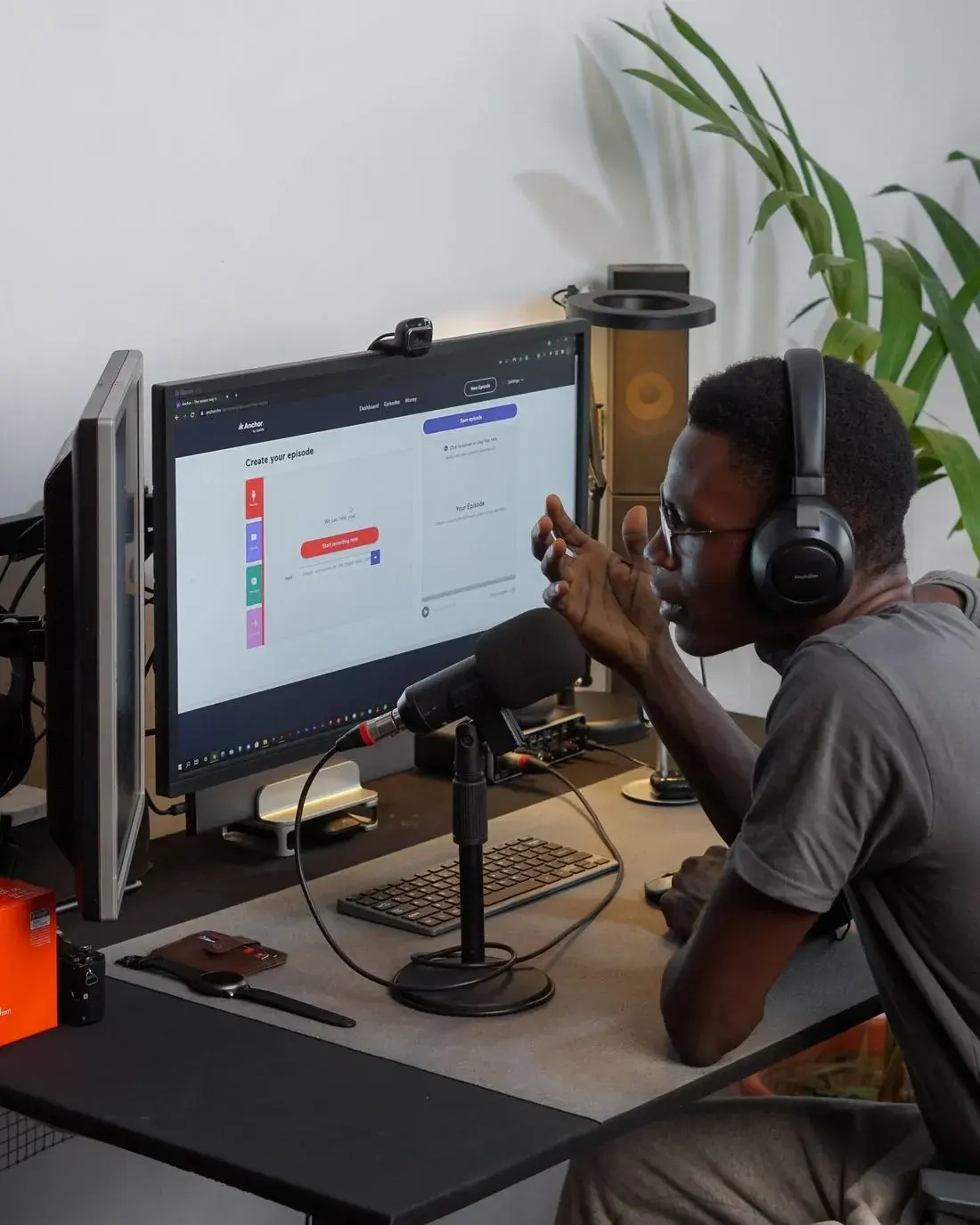
In the digital age, video content reigns supreme. But creating videos that truly resonate with your audience requires more than just a camera and a script. It demands authenticity, a quality that’s often elusive but absolutely critical for building lasting connections and fostering trust. A dedicated home studio can be the key to unlocking this authenticity, transforming your videos from mere presentations into genuine conversations.
The Power of Authenticity in Video Content
Authenticity is the cornerstone of any successful online presence. In a world saturated with polished, often overly-produced content, viewers crave genuine connections. They want to see the real you, flaws and all. A study by Stackla found that 86% of consumers say authenticity is a key factor when deciding what brands they like and support. This applies not just to brands, but to individual creators, educators, and thought leaders as well. [1]
Authentic content allows your audience to see you as relatable and trustworthy. When you are perceived as genuine, viewers are more likely to engage with your content, remember your message, and ultimately, become loyal followers. But how does a home studio contribute to this authenticity?
The Home Studio Advantage: Control, Comfort, and Confidence
The beauty of a home studio lies in the control it offers. Unlike renting a professional studio or filming in uncontrolled environments, a home studio allows you to curate your surroundings, minimize distractions, and create a space where you feel comfortable and confident. This control translates directly into more authentic on-screen presence.
Control Over the Environment: Minimizing Distractions and Maximizing Focus
External distractions can derail even the most seasoned presenters. Background noise, unexpected interruptions, or even simply being in an unfamiliar environment can impact your focus and make you appear less natural on camera. A home studio provides a sanctuary, a controlled space where you can minimize these distractions. You control the lighting, the sound, and the background, allowing you to fully concentrate on delivering your message.
Consider, for example, a financial advisor creating educational videos. Filming in a busy office environment with ringing phones and client interruptions would detract from their credibility. A dedicated home studio, free from these distractions, allows them to present information with clarity and confidence, projecting an image of expertise and trustworthiness. Furthermore, professional soundproofing helps to eliminate echo and background noise, crucial elements for ensuring clear audio in your videos. Consider resources like the National Research Council Canada’s publications on acoustics for reliable information on soundproofing techniques. [2]
Creating a Comfortable and Familiar Space: Unleashing Your Natural Self
Comfort is paramount for authenticity. When you feel comfortable in your surroundings, you are more likely to relax, be yourself, and connect with your audience on a deeper level. A home studio allows you to personalize your space, creating an environment that reflects your personality and helps you feel at ease.
Imagine a yoga instructor filming online classes. A sterile, professional studio might feel impersonal and intimidating. A home studio, decorated with personal touches like plants, artwork, and comfortable furnishings, creates a warm and inviting atmosphere that puts both the instructor and their students at ease. This sense of comfort allows the instructor to teach with greater authenticity and passion, fostering a stronger connection with their audience.
Boosting Confidence: Owning Your Space, Owning Your Message
Confidence is contagious. When you exude confidence, your audience is more likely to trust your message and believe in your expertise. A home studio can be a powerful tool for boosting your confidence. By creating a space that is entirely your own, you gain a sense of ownership and control that translates into a more assertive and engaging on-screen presence.
Think about a public speaking coach creating online courses. A home studio allows them to practice their delivery, experiment with different techniques, and refine their message in a safe and supportive environment. This practice builds confidence, enabling them to deliver their lessons with authority and conviction. They can fine-tune lighting, framing, and camera angles to present themselves in the best possible light, further enhancing their on-screen presence. Resources like Toastmasters International (a non-profit educational organization) can offer additional insights into effective communication and presentation skills. [3]
Specific Examples: How a Home Studio Fosters Genuine Communication
The benefits of a home studio extend beyond mere convenience. They directly impact the quality and authenticity of your video content.
Example 1: The Unscripted Q&A
Imagine you’re a software developer creating tutorial videos. Instead of reading from a script, you host a live Q&A session from your home studio, answering questions from your viewers in real-time. The unscripted nature of the interaction allows your personality to shine through. You might stumble over words, make a few mistakes, or even crack a joke – these imperfections make you relatable and human. Your audience sees you as a fellow problem-solver, rather than a detached expert, building trust and fostering a sense of community.
Example 2: The Behind-the-Scenes Tour
Consider you’re a chef running an online cooking school. Instead of just showcasing perfectly plated dishes, you give your viewers a behind-the-scenes tour of your home kitchen (your studio), sharing your favorite tools, ingredients, and even your culinary mishaps. This glimpse into your personal space creates a sense of intimacy and connection. Your audience sees the real you, the person behind the recipes, making them feel more invested in your success. Resources like America’s Test Kitchen offer reliable insights into cooking techniques and equipment. [4]
Example 3: The Personal Story
Let’s say you’re a therapist offering online counseling services. Sharing a personal story from your own life, filmed in your comfortable home studio, can be a powerful way to connect with your audience on an emotional level. By being vulnerable and authentic, you create a safe space for your viewers to share their own struggles and seek help. This builds trust and establishes you as a compassionate and understanding therapist. Ensure compliance with all ethical guidelines and privacy regulations related to online therapy as outlined by organizations like the American Psychological Association. [5]
Addressing Common Concerns: Overcoming the “Perfection Trap”
One of the biggest hurdles to embracing authenticity is the fear of imperfection. Many creators believe that their videos need to be flawless in order to be successful. However, striving for perfection can actually be detrimental to authenticity. Viewers are often turned off by content that feels overly polished or inauthentic. Embrace imperfections as opportunities to connect with your audience on a human level.
Imperfect Lighting, Authentic Moments
Don’t obsess over perfect lighting. Natural light, even if it’s not perfectly even, can create a more authentic and relatable look. A study on video marketing by HubSpot found that videos with a more casual, authentic feel often perform better than those with high production values. [6] This is because audiences respond to genuine emotion and personality, not flawless cinematography.
Stumbles and Stutters: Embrace the “Oops” Factor
Don’t be afraid to leave in minor mistakes. Stumbling over words or making a slight error can actually make you appear more relatable and human. Trying to edit out every imperfection can make your videos feel stiff and unnatural. The “oops” factor can humanize you and make viewers feel more comfortable and connected. It’s about how you *respond* to the mistake. A quick laugh and a sincere “Let me rephrase that” can be more engaging than a perfectly polished, but detached, delivery.
Authenticity Over Artifice: Finding the Balance
While a home studio empowers you to manage lighting, sound, and visuals, the core purpose is to amplify *your* authenticity. This involves understanding your unique strengths, speaking from a place of genuine passion, and allowing your personality to shine through. Don’t get so caught up in the technical aspects that you forget to be yourself. Find the balance between a professional presentation and a personal touch. Think of your home studio as a tool that helps you amplify your authentic voice, not a mask that hides it.
If you’re finding it challenging to connect with your audience, consider exploring resources like “Daring Greatly” by Brené Brown, which offers insights into vulnerability and authenticity. [7] It might be helpful to examine the underlying reasons preventing genuine connection with your audience.
In conclusion, a home studio is more than just a space for filming videos; it’s a catalyst for authenticity, a breeding ground for connection, and a foundation for building trust. By embracing the control and comfort it offers, and by resisting the urge to strive for unattainable perfection, you can unlock your true potential and create video content that resonates with your audience on a deeper level. And that authenticity? That’s what builds authority and fast tracks confidence.
1 Stackla. (n.d.). The Consumer Content Report: Authenticity in an Era of Content Shock. Retrieved from [Provide a link to the original Stackla report once located].
2 National Research Council Canada. (n.d.). Publications on Acoustics. Retrieved from [Provide a link to the NRC Acoustics publications once located].
3 Toastmasters International. (n.d.). Retrieved from https://www.toastmasters.org/
4 America’s Test Kitchen. (n.d.). Retrieved from https://www.americastestkitchen.com/
5 American Psychological Association. (n.d.). Retrieved from https://www.apa.org/
6 HubSpot. (n.d.). [Provide a link to a relevant HubSpot video marketing study once located and accurately cited].
7 Brown, B. (2012). Daring Greatly: How the Courage to Be Vulnerable Transforms the Way We Live, Love, Parent, and Lead. Gotham Books.
Ready to build the real thing?
When you're ready for a done-for-you studio, book a discovery call and we'll map a build that fits your space.