
Studio Lenses: Portraits, Products & More!
Unlock stunning studio shots! Choose the perfect lens for portraits, product photography, and fashion. Full guide inside!
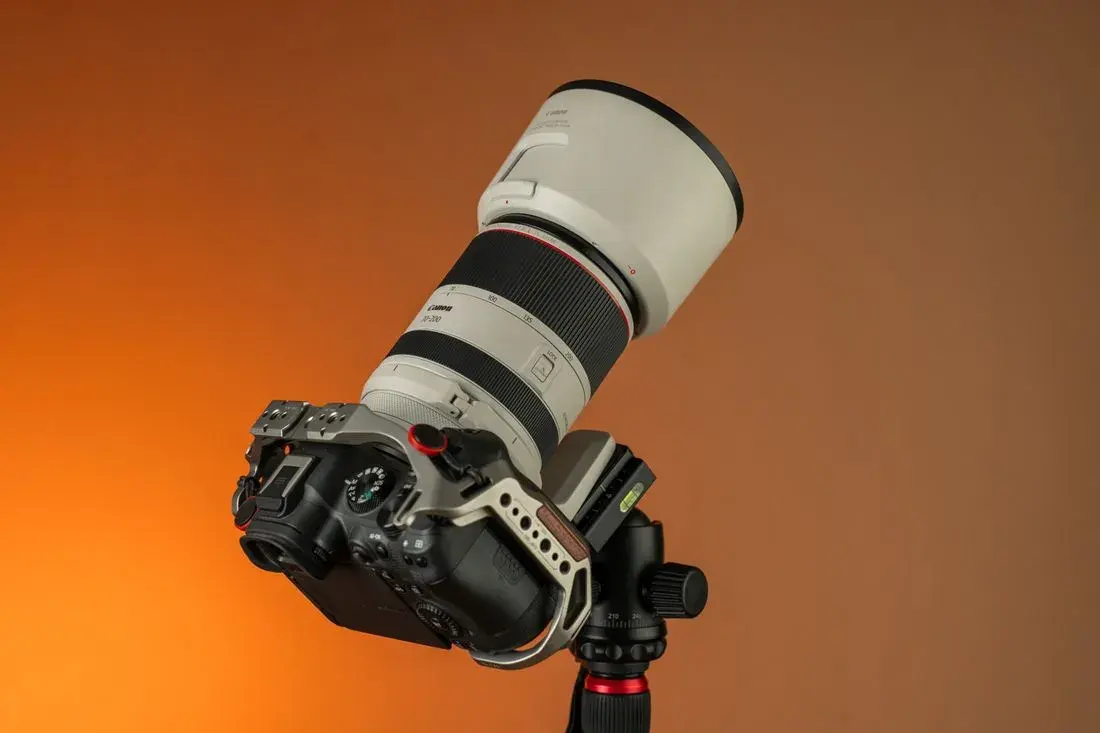
In the controlled environment of a photography studio, your lens choice becomes paramount. It’s no longer just about capturing the moment; it’s about crafting the image. Whether you’re shooting stunning portraits, meticulously detailed product shots, or dynamic fashion editorials, the right lens can make all the difference. This guide will walk you through the key considerations for selecting the best lenses for different studio photography genres, helping you achieve professional results every time.
Prime vs. Zoom Lenses: Understanding the Trade-offs
The first major decision you’ll face is whether to opt for prime or zoom lenses. Both have their advantages and disadvantages in a studio setting.
Prime Lenses: Sharpness, Speed, and Specialization
Prime lenses have a fixed focal length, meaning you can’t zoom in or out. This constraint often translates to several benefits:
- Superior Image Quality: Prime lenses are typically sharper and produce images with less distortion than zoom lenses. Their simpler optical design allows for better correction of aberrations.
- Wider Apertures: Primes often boast wider maximum apertures (e.g., f/1.4, f/1.8), allowing for shallow depth of field and excellent low-light performance – crucial for controlling focus and creating bokeh in portraits.
- Smaller and Lighter: Generally, prime lenses are more compact and lighter than comparable zoom lenses, making them easier to handle during long studio sessions.
- Cost-Effective Options: While high-end primes can be expensive, excellent quality primes with slightly smaller apertures (f/2.8 or f/1.8) offer fantastic value for money.
However, prime lenses require you to physically move closer or farther from your subject to change the framing, which can be less convenient in a busy studio environment. For example, in product photography, swapping between a 50mm and a 100mm macro prime to get slightly different framing involves physically moving the camera and lights, rather than just twisting a zoom ring.
Zoom Lenses: Versatility and Convenience
Zoom lenses offer variable focal lengths, allowing you to adjust the framing without moving the camera. This versatility can be invaluable in a fast-paced studio environment.
- Framing Flexibility: Quickly adjust the field of view without physically repositioning yourself or your subject.
- Convenience: One zoom lens can replace multiple prime lenses, reducing the amount of gear you need to carry and switch between.
- Time-Saving: Zooming is faster than moving, allowing you to capture more shots in a shorter period.
The trade-offs for this convenience include potentially lower image quality, smaller maximum apertures (typically f/2.8 or f/4 on professional zooms), and larger size and weight. However, modern zoom lens technology has improved significantly, and high-end zooms can deliver excellent results.
Focal Length Considerations: Choosing the Right Perspective
Focal length is arguably the most important factor in lens selection. It determines the field of view and the perspective of your images. Different focal lengths are suited to different types of studio photography.
35mm: Environmental Portraits and Documentary-Style Shots
While primarily a street photography and documentary lens, a 35mm lens can find a place in the studio, particularly for environmental portraits. This focal length provides a wider field of view, allowing you to capture more of the surrounding environment and tell a story. It’s also useful for capturing group shots or wider fashion editorials where showing the entire outfit and set design is important.
The perspective is relatively natural, and the slight wide-angle distortion can add a dynamic feel to your images. Just be mindful of edge distortion when placing subjects close to the frame edges.
50mm: The “Nifty Fifty” for Versatile Portraits and Product Shots
The 50mm lens is often referred to as the “nifty fifty” due to its versatility and affordability. It provides a field of view that is close to human vision, making it a great choice for a variety of studio applications.
- Portraits: The 50mm offers a natural perspective for portraits, minimizing distortion and providing pleasing proportions. It’s a good all-around option for headshots and half-body portraits.
- Product Photography: The 50mm is suitable for photographing medium-sized products, providing a good balance between field of view and detail.
- Everyday Use: Its general-purpose nature makes it a valuable addition to any studio kit.
However, on a crop sensor camera, a 50mm lens will have an equivalent focal length closer to 75mm, which may be too tight for some situations. Consider a 35mm or even a 24mm lens for a similar field of view on crop sensor cameras.
Consider this: If you are just starting with studio portraiture, a 50mm lens coupled with good lighting knowledge and the right modifiers will take you very far.
85mm: Ideal for Flattering Portraits with Beautiful Bokeh
The 85mm lens is a classic choice for portrait photography. Its longer focal length offers several advantages:
- Flattering Perspective: The 85mm compresses the facial features, creating a more flattering portrait with minimal distortion.
- Beautiful Bokeh: The longer focal length, combined with a wide aperture (e.g., f/1.4 or f/1.8), produces a shallow depth of field and creamy bokeh, blurring the background and isolating your subject.
- Comfortable Working Distance: The 85mm allows you to maintain a comfortable distance from your subject, making them feel more relaxed.
The 85mm lens excels at headshots, shoulder-up portraits, and beauty shots. It’s a must-have for any serious portrait photographer. The drawback is that its longer focal length might require more space in your studio. On a crop sensor camera, an 85mm can feel very tight, so consider a 50mm or even a 35mm as a portrait alternative.
Macro Lenses (50mm, 100mm, etc.): Capturing Extreme Detail
Macro lenses are designed for capturing extreme close-up images with a 1:1 magnification ratio, meaning the size of the subject on the sensor is the same as its actual size. They are essential for product photography where detail is critical, such as jewelry, watches, or electronics.
- Product Photography: Capture intricate details, textures, and imperfections that would be impossible to see with a standard lens.
- Scientific Photography: Document small objects and organisms with incredible clarity.
- Creative Effects: Explore abstract and artistic compositions by focusing on minute details.
Macro lenses typically have focal lengths ranging from 50mm to 200mm. A 100mm macro lens is a popular choice as it provides a comfortable working distance from the subject. Shorter focal length macro lenses (like 50mm or 60mm) require you to get much closer, which can make lighting more challenging and might scare off live subjects in nature photography. Consider investing in a good quality tripod and macro focusing rail for precise control and sharp images.
Lens Features: Image Stabilization and Aperture
Beyond focal length, several other lens features can significantly impact your studio photography workflow and image quality.
Image Stabilization (IS/VR/OS): Minimizing Camera Shake
Image stabilization (IS for Canon, VR for Nikon, OS for Sigma) compensates for camera shake, allowing you to shoot at slower shutter speeds without blurring. While camera shake isn’t usually a major concern in a studio environment where you have control over lighting and can use a tripod, image stabilization can still be beneficial in certain situations:
- Low-Light Situations: Even with studio lighting, you might encounter situations where you need to use slower shutter speeds, such as when shooting with small apertures for maximum depth of field.
- Handheld Shooting: If you occasionally shoot handheld in the studio (e.g., for more dynamic angles or to quickly capture a spontaneous moment), image stabilization can help you get sharper results.
- Video Recording: Image stabilization is crucial for smooth video footage, especially when shooting handheld or using long focal lengths.
Many modern lenses and camera bodies incorporate image stabilization. If you plan to shoot handheld frequently or record video, consider a lens with image stabilization. Keep in mind that using a sturdy tripod is always the best solution for eliminating camera shake.
Aperture: Controlling Depth of Field and Light
Aperture refers to the size of the lens opening, measured in f-stops (e.g., f/1.4, f/2.8, f/8). The aperture controls two key aspects of your images:
- Depth of Field: A wider aperture (smaller f-stop number) creates a shallow depth of field, blurring the background and isolating your subject. A smaller aperture (larger f-stop number) creates a larger depth of field, keeping more of the image in focus.
- Light Gathering: A wider aperture allows more light to enter the lens, enabling you to shoot at faster shutter speeds or lower ISO settings in low-light situations.
In studio photography, you have more control over lighting, so light gathering isn’t always as critical as in outdoor photography. However, aperture is still essential for controlling depth of field. For portraits, a wide aperture (e.g., f/1.4 to f/2.8) can create a beautiful bokeh effect and isolate the subject from the background. For product photography, a smaller aperture (e.g., f/8 to f/16) is often used to ensure that the entire product is in focus.
Specific Lens Recommendations: Full-Frame and Crop Sensor Cameras
Here are some specific lens recommendations for different studio photography genres, catering to both full-frame and crop sensor cameras. Remember that lens availability and pricing can vary, so check current listings and reviews before making a purchase.
Portraits
- Full-Frame:
- Canon EF 85mm f/1.4L IS USM: A top-of-the-line portrait lens with excellent sharpness, beautiful bokeh, and image stabilization.
- Nikon AF-S NIKKOR 85mm f/1.8G: A more affordable option that still delivers excellent image quality and bokeh.
- Sony FE 85mm f/1.8: A compact and lightweight portrait lens with great sharpness and value.
- Sigma 85mm f/1.4 DG HSM Art (for Canon, Nikon, Sony): A highly regarded third-party lens known for its exceptional sharpness and beautiful bokeh. Sigma’s official website has detailed specifications and sample images.
- Crop Sensor:
- Sigma 56mm f/1.4 DC DN Contemporary (for Sony E, Micro Four Thirds, Canon EF-M): A versatile and affordable portrait lens with excellent image quality and bokeh. This lens has earned accolades from reviewers on DPReview for its sharpness and value.
- Canon EF-S 35mm f/2.8 Macro IS STM: A sharp lens with image stabilization and macro capabilities, making it useful for both portraits and close-up work.
- Fujifilm XF 56mm f/1.2 R: A premium portrait lens with exceptional sharpness and beautiful bokeh (for Fujifilm X-mount cameras).
Product Photography
- Full-Frame:
- Canon EF 100mm f/2.8L Macro IS USM: A superb macro lens with excellent sharpness, image stabilization, and a comfortable working distance.
- Nikon AF-S VR Micro-Nikkor 105mm f/2.8G IF-ED: Another excellent macro lens with vibration reduction and outstanding image quality.
- Sony FE 90mm f/2.8 Macro G OSS: A sharp and versatile macro lens with optical SteadyShot image stabilization.
- Crop Sensor:
- Canon EF-S 60mm f/2.8 Macro USM: A compact and affordable macro lens with excellent sharpness.
- Nikon AF-S DX Micro NIKKOR 40mm f/2.8G: A lightweight and versatile macro lens that’s great for both product photography and general use.
- Olympus M.Zuiko Digital ED 60mm f/2.8 Macro (for Micro Four Thirds): A high-quality macro lens with excellent sharpness and close-focusing capabilities.
Fashion Shoots
- Full-Frame:
- 24-70mm f/2.8 Zoom (Canon, Nikon, Sony, Sigma): This versatile zoom lens is a workhorse for fashion photography, offering a range of focal lengths for capturing both wide shots and tighter portraits.
- 70-200mm f/2.8 Zoom (Canon, Nikon, Sony, Sigma): Ideal for compressing the background and isolating the model, especially for full-length shots and close-ups. Image stabilization is highly recommended for this lens.
- 35mm f/1.4 or f/1.8 Prime (Canon, Nikon, Sony, Sigma): A great option for capturing environmental fashion shots, showing the model in context with the surrounding location.
- Crop Sensor:
- 17-55mm f/2.8 Zoom (Canon, Nikon): A versatile zoom lens with a useful range for fashion photography, similar to a 24-70mm on a full-frame camera.
- 50-135mm f/2.8 (Sigma, various mounts): The Sigma 50-135mm f/2.8 DC HSM is a great option with equivalent reach on a crop sensor to the 70-200mm.
- 24mm or 35mm f/2.0 Prime (Various Brands): A wide-angle prime lens suitable for capturing environmental fashion shots, ensuring the model is shown with her environment.
Choosing the right lens is a personal decision that depends on your specific needs, budget, and shooting style. Experiment with different lenses and focal lengths to find what works best for you and your creative vision. Consider renting lenses before purchasing to get a feel for how they perform in your studio. If you’re finding it difficult to decide and are based in the Los Angeles area, feel free to reach out, I’m happy to share my experiences and advice based on the specific equipment you’re considering. My primary goal is that you find the right lens for your style and needs, to elevate your studio photography.
This article was optimized and published by Content Hurricane.
Ready to build the real thing?
When you're ready for a done-for-you studio, book a discovery call and we'll map a build that fits your space.